
Keratoconus in Qatar: Symptoms, Treatments, and Expert Care by Dr. Marwan Ghabra
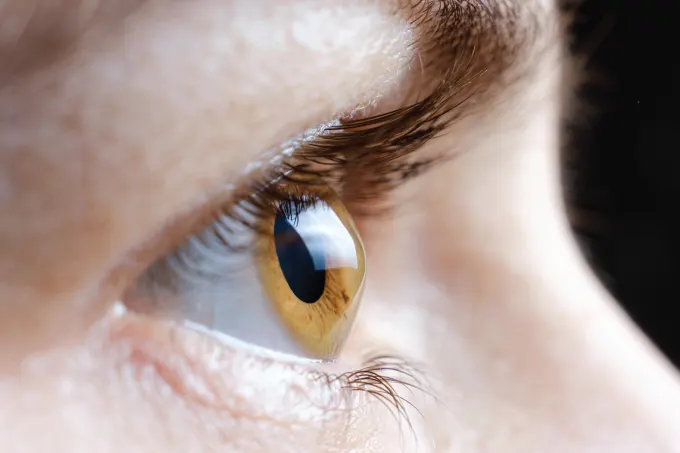
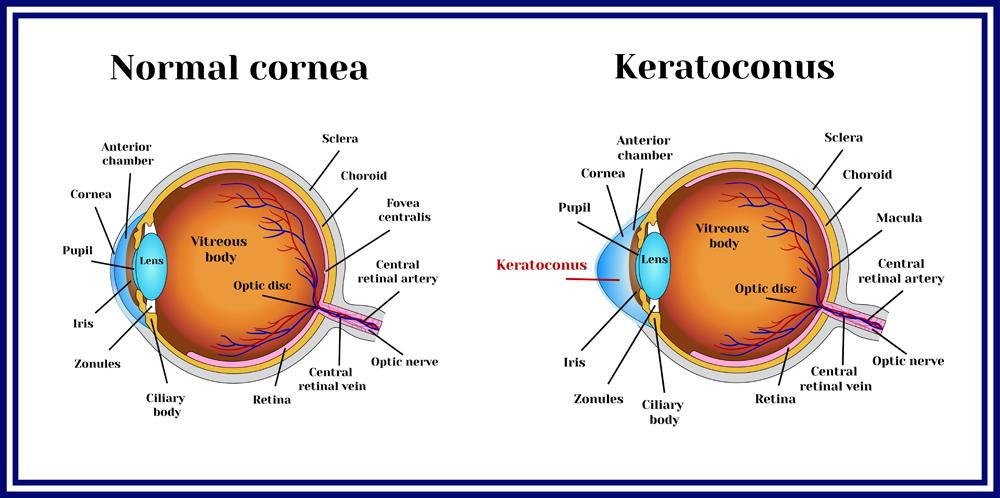
Keratoconus is a progressive eye condition where the normally round cornea thins and bulges into a cone-like shape, causing blurred vision, light sensitivity, and in severe cases, significant visual impairment.
At Eden Health Center, Dr. Marwan Ghabra, an experienced ophthalmologist and corneal surgeon, provides state-of-the-art diagnosis and treatment for patients with all stages of keratoconus—right here in Qatar.
Common Questions About Keratoconus – Answered by Dr. Marwan Ghabra
Is Keratoconus treated on the NHS?
Yes, but access is limited. The NHS offers corneal cross-linking (CXL) to stop disease progression in early stages. However, availability and waiting times vary widely. Private clinics, like Eden Health Center, offer faster access to treatment, advanced technology, and personalized care.
Can Keratoconus be prevented?
While you can’t completely prevent it, early detection and proper care can slow progression. Avoid rubbing your eyes, manage allergies, and schedule regular eye checkups—especially if there’s a family history.
What triggers Keratoconus?
The condition is often linked to genetic and environmental factors. Risk factors include:
- Chronic eye rubbing
- Allergic conjunctivitis
- Family history
- Connective tissue disorders
How Common Is Keratoconus?
Keratoconus is more common than previously believed:
- USA: 1 in 375 people (2017 study)
- Qatar: 1 in 21 patients (4.79%)
- Lebanon: ~3.3%
In the Middle East, due to higher sun exposure, allergy prevalence, and genetic predisposition, early screening is critical.
How Serious Is Keratoconus?
Without treatment, keratoconus may:
- Distort vision
- Require hard lenses or scleral lenses
- Lead to corneal scarring
- Necessitate corneal transplantation
Early-stage treatment like corneal cross-linking (CXL) can preserve vision and avoid surgery.

Best Treatment Options for Keratoconus in Qatar
Dr. Marwan Ghabra offers a comprehensive treatment plan based on each patient’s needs:
- Corneal Cross-Linking (CXL)
Strengthens the cornea to halt progression. - Vision Correction
- Scleral lenses / Hybrid lenses for stable visual correction
- Topo-guided PRK + CXL for selected patients
- Intracorneal Ring Segments (ICRS) to flatten the cornea
- Xenia® Collagen Implants for reshaping and support
- Corneal Transplantation (for advanced cases)
What Does Vision Look Like with Keratoconus?
Patients report:
- Blurred, double, or distorted vision
- Halos and glare at night
- “Ghosting” of text or lights
- Difficulty driving at night
Can People With Keratoconus Go Blind?
Total blindness is rare. However, untreated keratoconus can severely limit vision. With expert management by specialists like Dr. Ghabra, patients can maintain functional vision and enjoy a normal lifestyle.
When Is the Best Time to Treat Keratoconus?
Keratoconus usually begins during adolescence or early adulthood and worsens in younger individuals. Early diagnosis through corneal topography and treatment before vision loss occurs is essential.
What NOT to Do with Keratoconus
- Do not rub your eyes.
- Avoid skipping eye exams.
- Don’t delay treatment—progression can be silent.
Can LASIK Fix Keratoconus?
No. LASIK is contraindicated. However, topography-guided PRK with CXL may be an option in selected cases. These are available under expert supervision at Eden Health Center.

Why Choose Dr. Marwan Ghabra at Eden Health Center?
- Expert in corneal diseases and surgical techniques
- Access to advanced diagnostics and technologies
- Personalized keratoconus treatment plans
- Experienced in Xenia®, CXL, ICRS, and lens-based correction
- Multilingual team, patient-centered care
Book Your Eye Consultation in Doha
If you or a loved one suspects keratoconus—or has a family history—book your consultation with Dr. Marwan Ghabra at Eden Health Center.
📞 Call us: +974 4044 1999 | 5580 1999
📍 Visit us: Eden Health Center, West Bay – Doha
Instagram: @edenhcqa