
Gestational Diabetes in Qatar: A Complete Guide for Expectant Mothers
Pregnancy is a special journey, but for some women in Qatar, it may come with additional health considerations — one of the most common being gestational diabetes.
Gestational diabetes mellitus (GDM) is a temporary condition that affects blood sugar levels during pregnancy. With early diagnosis, proper nutrition, and regular medical follow-up, it can be safely managed to ensure a healthy pregnancy and delivery.
At Eden Health Center in Doha, we provide comprehensive, patient-centered care to support mothers diagnosed with gestational diabetes at every stage.
What Is Gestational Diabetes?
Gestational diabetes is a form of diabetes that develops during pregnancy, usually in the second or third trimester. It occurs when pregnancy hormones interfere with insulin function, causing blood glucose levels to rise.
Although it is temporary in most cases and often resolves after delivery, unmanaged gestational diabetes can increase health risks for both the mother and the baby.
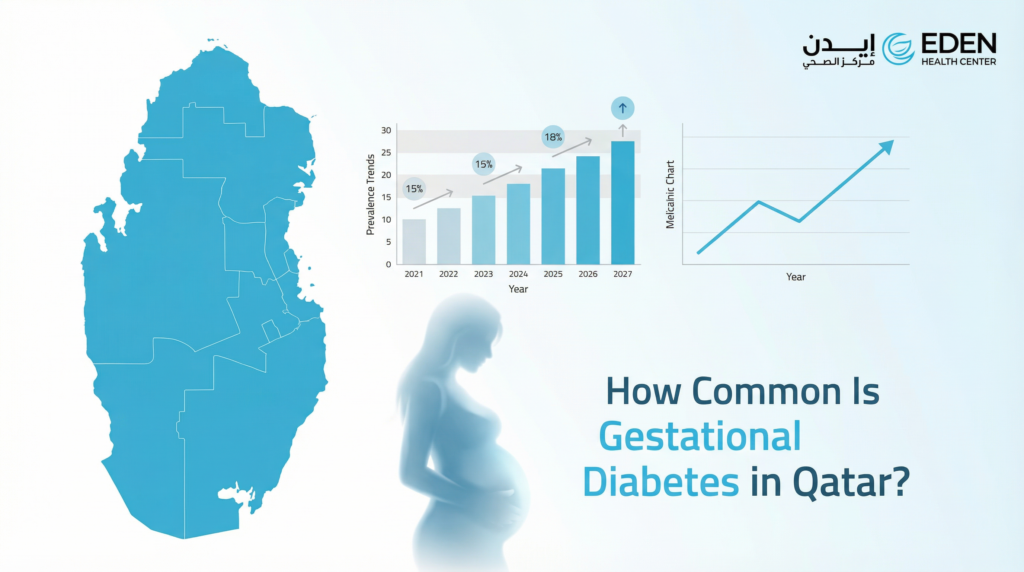
How Common Is Gestational Diabetes in Qatar?
Gestational diabetes is relatively common in Qatar due to several factors, including:
- Higher prevalence of type 2 diabetes in the region
- Sedentary lifestyle patterns
- Dietary habits
- Maternal age over 30
Studies show that gestational diabetes affects a significant percentage of pregnancies in the GCC, making early screening and education essential for maternal and fetal health.
Who Is at Risk?
You may be at higher risk of developing gestational diabetes if you:
- Have a family history of diabetes
- Are overweight before pregnancy
- Have had gestational diabetes in a previous pregnancy
- Have polycystic ovary syndrome (PCOS)
- Are over the age of 30
However, gestational diabetes can also occur in women with no obvious risk factors, which is why routine screening is recommended for all pregnant women.
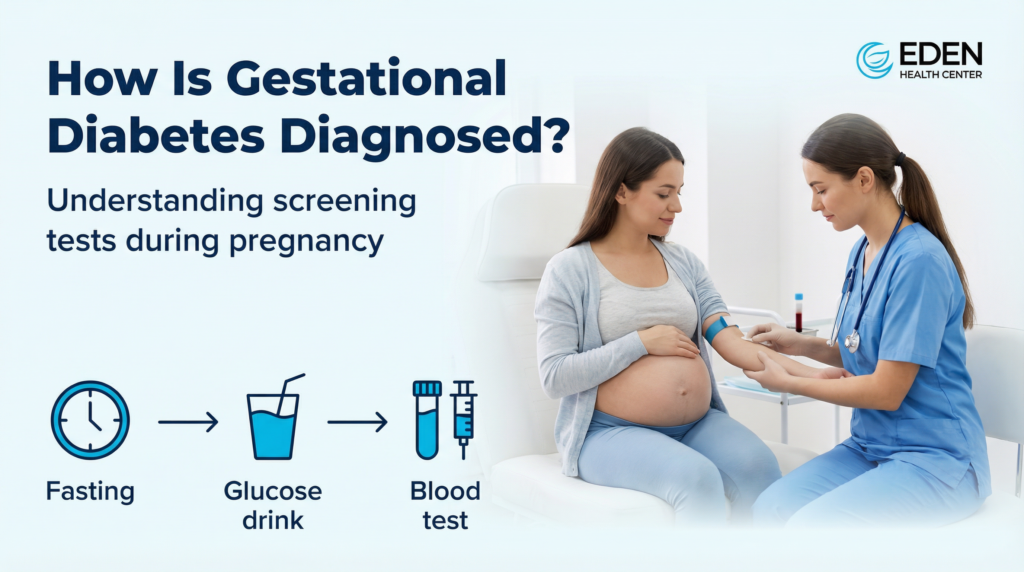
How Is Gestational Diabetes Diagnosed?
The standard diagnostic test is the Oral Glucose Tolerance Test (OGTT), typically performed between 24 and 28 weeks of pregnancy.
The test measures how your body processes sugar and helps your doctor determine whether your blood glucose levels are within a healthy range.
Why Is Managing Gestational Diabetes Important?
Proper management helps to:
- Maintain stable blood sugar levels
- Reduce the risk of pregnancy complications
- Prevent excessive fetal growth
- Lower the risk of cesarean delivery
- Support healthy fetal development
With the right care plan, most women with gestational diabetes go on to have healthy pregnancies and healthy babies.
The Role of Medical Nutrition in Gestational Diabetes
Nutrition is the cornerstone of gestational diabetes management.
A personalized medical nutrition plan focuses on:
- Balanced meals spread throughout the day
- Controlled carbohydrate intake
- Adequate protein and healthy fats
- Avoiding refined sugars and sweetened beverages
In many cases, medical nutrition therapy alone is sufficient to control blood sugar levels without medication.
Monitoring and Follow-Up During Pregnancy
Depending on your individual case, follow-up care may include:
- Regular blood sugar monitoring
- Ongoing nutritional follow-up
- Obstetric consultations
- Follow-up ultrasounds
- CTG (fetal heart monitoring) when medically required
These steps allow your healthcare team to closely monitor both maternal and fetal well-being.
Gestational Diabetes Care at Eden Health Center – Doha
At Eden Health Center, we offer a Comprehensive Gestational Diabetes Follow-Up Package – Premium, designed to support mothers throughout their pregnancy with expert care and reassurance.
Our Premium Package Includes:
- Gestational diabetes screening (OGTT)
- Consultation with an OB-GYN specialist
- Medical nutrition follow-up
- Follow-up ultrasound
- CTG monitoring when medically required
Our multidisciplinary team ensures that every patient receives personalized, evidence-based care in a supportive and compassionate environment.
Can Gestational Diabetes Be Prevented?
While gestational diabetes cannot always be prevented, the risk can be reduced through:
- Maintaining a healthy weight before pregnancy
- Staying physically active (as advised by your doctor)
- Following a balanced diet
- Attending regular prenatal check-ups
Early screening and education remain the most effective tools.
Final Reassurance for Expectant Mothers
Being diagnosed with gestational diabetes can feel overwhelming, but it is important to remember that this condition is manageable.
With proper medical care, nutrition, and follow-up, you can protect your health and give your baby the best possible start in life.
Book Your Consultation in Qatar
If you are pregnant or planning your pregnancy and would like professional guidance on gestational diabetes care, our team is here to support you.
📞 Call us: +974 4044 1999 | 5580 1999
📍 Visit us: Eden Health Center, West Bay – Doha
🌐 Website: www.edenhealth.qa
📸 Instagram: @edenhcqa
Eden Health Center – Care You Can Trust